
495 E. Perkins St. Suite E
Ukiah, CA 95482

How Undiagnosed Vision Problems Can Mimic Learning Disorders
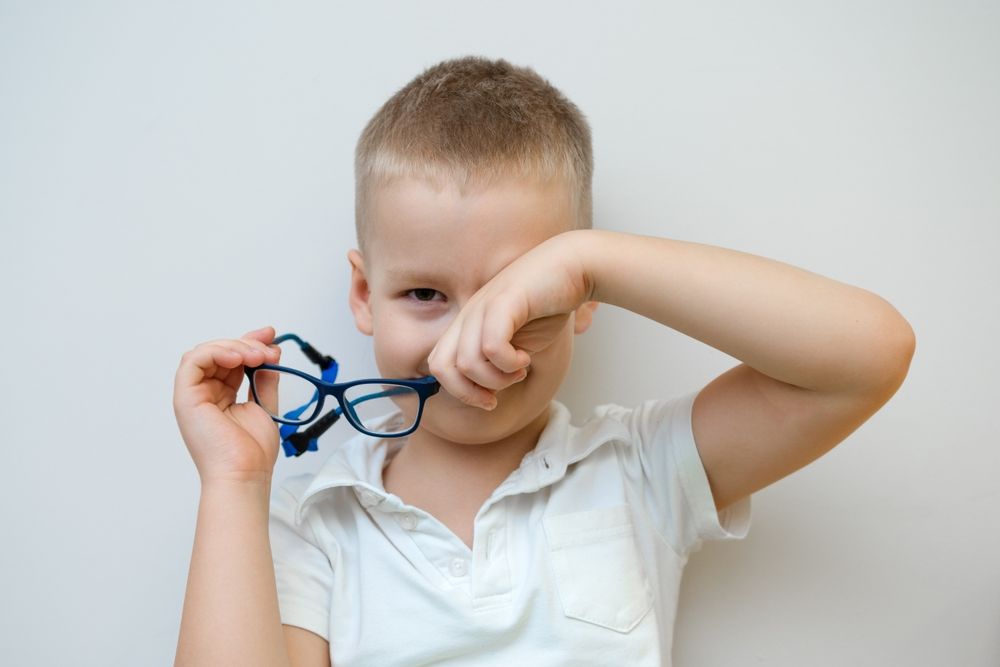
When a Child Struggles in School, It is natural to think of ADHD, dyslexia, or other learning disorders. But symptoms like losing place while reading, avoiding homework, or poor attention can also be tied to how the eyes focus, track, and work together. In fact, you may hear estimates that up to 60% of learning disabilities have a vision-related component, which is why ruling out vision issues is an important first step when academic performance changes.
Why “Good Vision” Is Not the Same as “No Vision Problem”
Many parents assume a school screening or a quick 20/20 check means everything is fine. Visual acuity only measures how clearly someone sees at distance. Learning, however, depends heavily on near vision skills and coordination, including focusing stamina, eye teaming, and eye tracking across a page or screen.
A child can read the board clearly and still struggle with close work because their visual system is working too hard behind the scenes.
Common Vision Issues That Can Look Like Learning Difficulties
Undiagnosed vision problems can produce behaviors that mimic learning disorders because the brain is compensating. A few examples:
Eye tracking problems can cause skipping lines, rereading, or slow reading speed.
Focusing issues can lead to blurry near vision, headaches, or frequent breaks.
Eye teaming problems (binocular vision) can make words appear to move, double, or “swim” on the page.
Uncorrected refractive error (like farsightedness or astigmatism) can reduce clarity and endurance for sustained reading.
Visual processing challenges can affect how efficiently a child interprets what they see, even when the eyes are healthy.
Signs Parents and Teachers Often Notice
Kids rarely say, “My eyes are not teaming well.” Instead, vision-related learning struggles show up as day-to-day patterns, such as trouble staying on task during reading, messy handwriting, avoidance of close work, or irritability after school. Some children begin to dislike reading, not because they cannot learn, but because it is exhausting.
What a Comprehensive Eye Exam Can Reveal
A comprehensive eye exam goes beyond a basic screening. It evaluates clarity at distance and near, eye alignment, tracking, focusing ability, depth perception, and overall eye health. This type of evaluation can help determine whether symptoms are driven by vision, a learning disorder, or a combination of factors.
If a vision issue is found, the solution might include an updated glasses prescription, specialty lens options, or vision therapy recommendations, depending on the diagnosis and the child’s needs.
Catch Vision Issues Early - Support Learning Sooner
When vision problems go unnoticed, children may be mislabeled as unmotivated or inattentive. Addressing visual barriers early can improve comfort, confidence, and consistency with schoolwork. It also helps families make more informed decisions if additional educational testing is still needed.
If you have concerns about your child’s vision or learning, schedule a comprehensive eye exam at Clear View Optometric. Visit our office in Ukiah, California, or call (707) 207-8500 to book an appointment today.
UKIAH OFFICE
- Monday 7:00am - 5:00pm
- Tuesday 7:00am - 5:00pm
- Wednesday 7:00am - 5:00pm
- Thursday 7:00am - 5:00pm
- Friday 7:00am - 12:00pm
- Saturday Closed
- Sunday Closed
© 2026 Clear View Optometric. All rights Reserved - Accessibility Statement - Privacy Policy - Sitemap
Powered by
