
495 E. Perkins St. Suite E
Ukiah, CA 95482

60% of Learning Difficulties Are Vision-Related: What Parents Need to Know
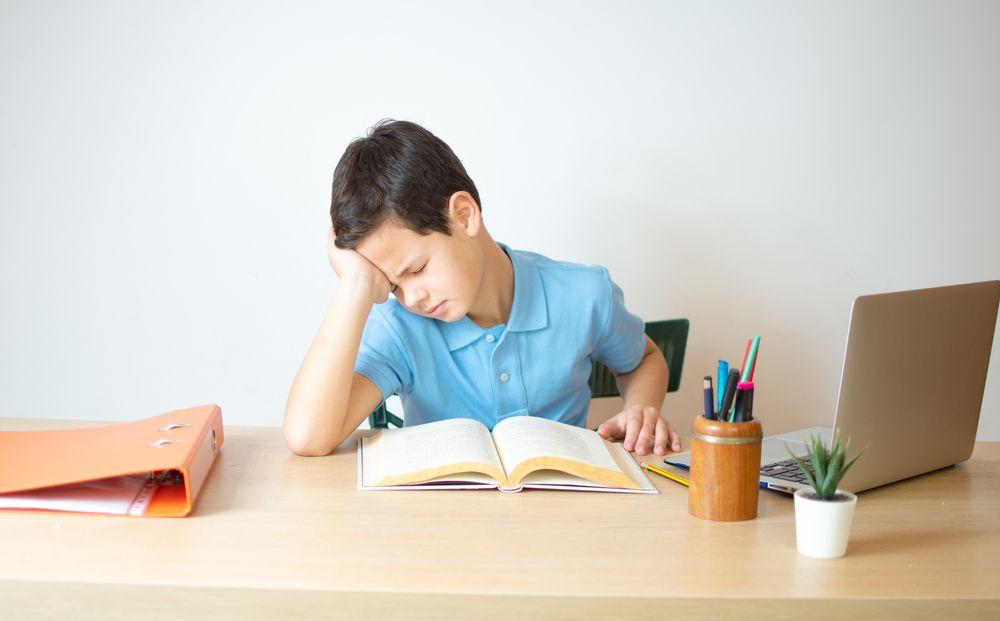
When a child struggles in school, it’s natural for parents to think about tutoring, attention challenges, or curriculum changes. But what many families don’t realize is that vision problems are often at the root of academic difficulties. At Clear View Optometric, we believe that healthy vision is foundational to learning. Understanding how vision affects academic performance can help parents take proactive steps to support their child’s success.
Vision and Learning: The Critical Connection
Approximately 80% of classroom learning is visual. From reading and writing to using digital devices and viewing the board, children rely heavily on their eyes throughout the school day.
When vision isn’t functioning properly, children may experience:
- Difficulty reading or skipping lines
- Frequent headaches or eye strain
- Short attention span during near work
- Avoidance of reading or homework
- Reversing letters or words
- Poor comprehension despite effort
20/20 Vision Isn’t Always the Whole Story
Many parents are surprised to learn that passing a school vision screening does not mean a child’s vision is fully functional. Screenings typically check distance clarity only. However, clear vision at a distance is just one piece of the puzzle.
Children also need:
- Strong eye teaming (both eyes working together)
- Accurate eye tracking (following words across a page)
- Proper focusing skills (shifting between near and far)
- Depth perception
- Peripheral awareness
The Rise of Myopia in Children
Myopia (nearsightedness) is becoming increasingly common in children, especially with more time spent on screens and less time outdoors. If left unmanaged, myopia can progress quickly during the school years.
Progressive myopia doesn’t just mean stronger glasses. Higher levels of myopia are associated with an increased risk of serious eye health conditions later in life, including retinal detachment, glaucoma, and macular degeneration.
Early detection through annual pediatric eye exams allows for proactive myopia management. Today, there are effective strategies to slow myopia progression, including:
- Specialized contact lenses
- Myopia control glasses
- Orthokeratology (overnight lenses)
- Lifestyle guidance such as increased outdoor time and healthy visual habits
By managing myopia early, we can help protect your child’s long-term eye health while supporting their academic performance.
Signs Your Child May Need an Eye Exam
Even if your child hasn’t complained about their vision, watch for subtle warning signs:
- Squinting or tilting their head
- Sitting very close to screens or books
- Rubbing eyes frequently
- Losing their place while reading
- Declining grades
- Behavioral changes related to schoolwork
Supporting Your Child’s Confidence and Success
Because children rely so heavily on their vision in the classroom, even subtle visual problems can have a significant impact on performance, focus, and confidence. Annual pediatric eye exams play a critical role in identifying concerns early, addressing myopia progression, and ensuring your child has the visual tools they need to succeed both now and in the future.
Schedule your child’s comprehensive eye exam at Clear View Optometric and give them the clear vision they need to learn, grow, and thrive. Visit our office in Ukiah, California, or call (707) 207-8500 to book an appointment today.
UKIAH OFFICE
- Monday 7:00am - 5:00pm
- Tuesday 7:00am - 5:00pm
- Wednesday 7:00am - 5:00pm
- Thursday 7:00am - 5:00pm
- Friday 7:00am - 12:00pm
- Saturday Closed
- Sunday Closed
© 2026 Clear View Optometric. All rights Reserved - Accessibility Statement - Privacy Policy - Sitemap
Powered by
